I’m of the generation that grew up with typewriters. In ninth grade one of my electives was typing. Along with wood shop. Seriously. Life skills. One day, we had a typing speed/quality exam and I got a head start. When the teacher said “go”, I was already on the second paragraph. She walked to my desk and ripped the paper out of the typewriter. It was the only time I was caught cheating in school.
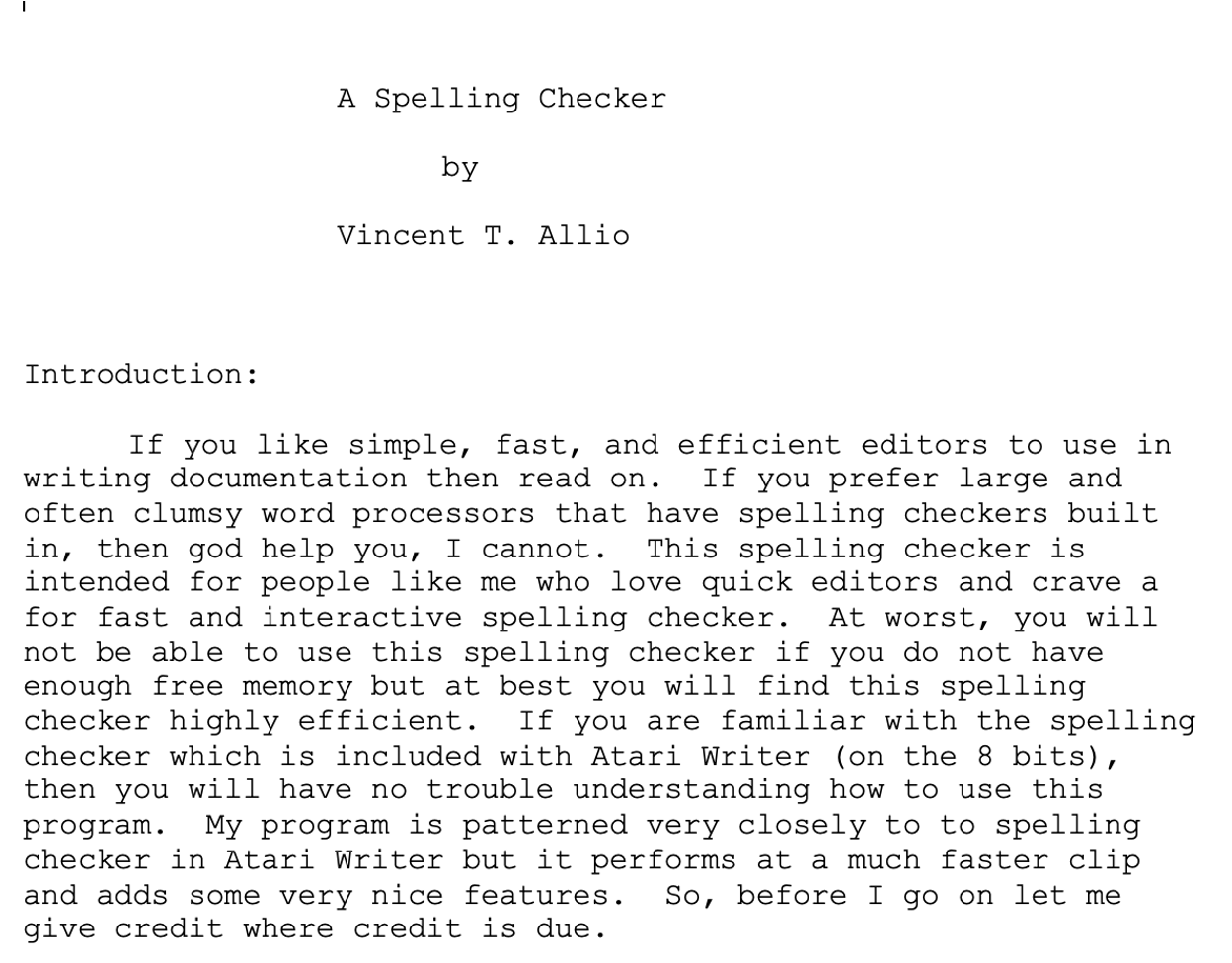
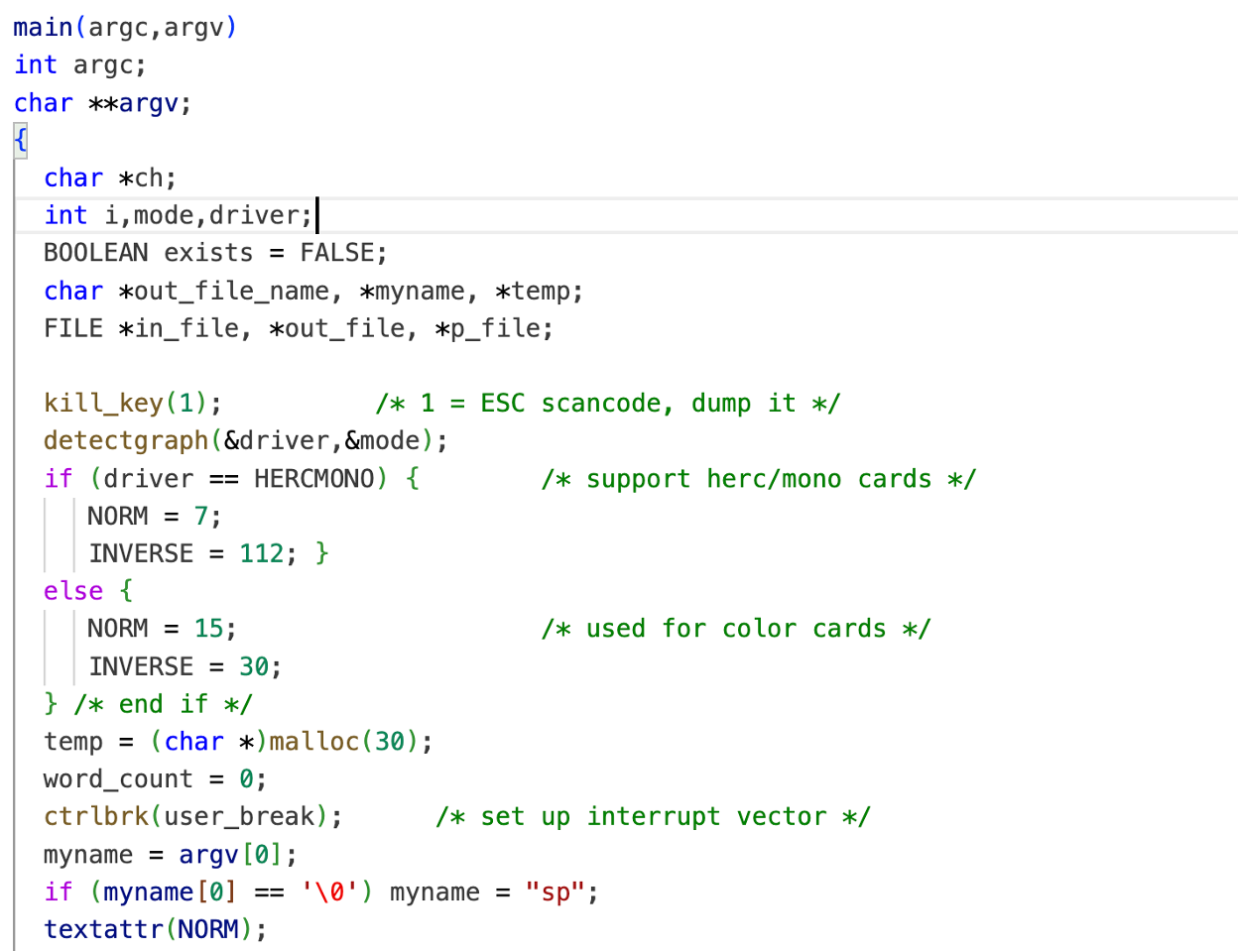
My typing skills were never good. And I couldn’t spell. If not for wite out, I would not have been able to finish my high school papers. The papers were ugly with every third word corrected. It literally took me longer to type/correct an essay than to write it. In college, I bought a dot matrix printer and made the papers presentable. Except for that damn spelling. My spelling was so poor, Wordstar or whatever it was I was using could not even make suggestions. So, I wrote my own spell checker in C (still have the code) and used it to check my spelling with features (like prefix lookup) the built-in speller didn’t have. Today, Word or Google Docs still can’t handle my creative spelling and I end up pasting words into a search engine to get the correct spelling. One of my favorite features we added to PowerPoint Online was to use the Bing speller.
I fell in love with technology for two reasons. First, coding meant I could create something from nothing. Second, and what this post is about, is technology could make a sloppy unkempt boy look good. I have many flaws in how I express myself. I can’t draw, I can’t spell, I can’t whiteboard, I easily lose my train of thought when speaking, I speak at a nearly inaudible volume, I type slowly, and my memory is suspect. Many humans from parents to teachers to colleagues have made “suggestions”. Over the years, it’s been technology that has helped me with these shortcomings. .
I’ve used many writing tools, diagramming tools, presentation tools, coding tools. There are too many to list. Powerpoint was perhaps my favorite in that it could help me convey and control a story in an intuitive way. It was also versatile, allowing me to diagram, create images, and storyboard. As great as PowerPoint is, it still has so much more room to evolve. Going from your vision of an idea to being able to fully realize it, is still a challenge.
I often listen to Marc Maron’s WTF podcast, especially his more obscure guests. One day his guest was the writer and former comedian, Andrew Leland. Andrew was describing his long, nuanced vision loss journey and some of the technology that can help. Andrew says “All technology is assistive”, and i think, bang, that’s it.
Appendix: (from my 22 year old self)