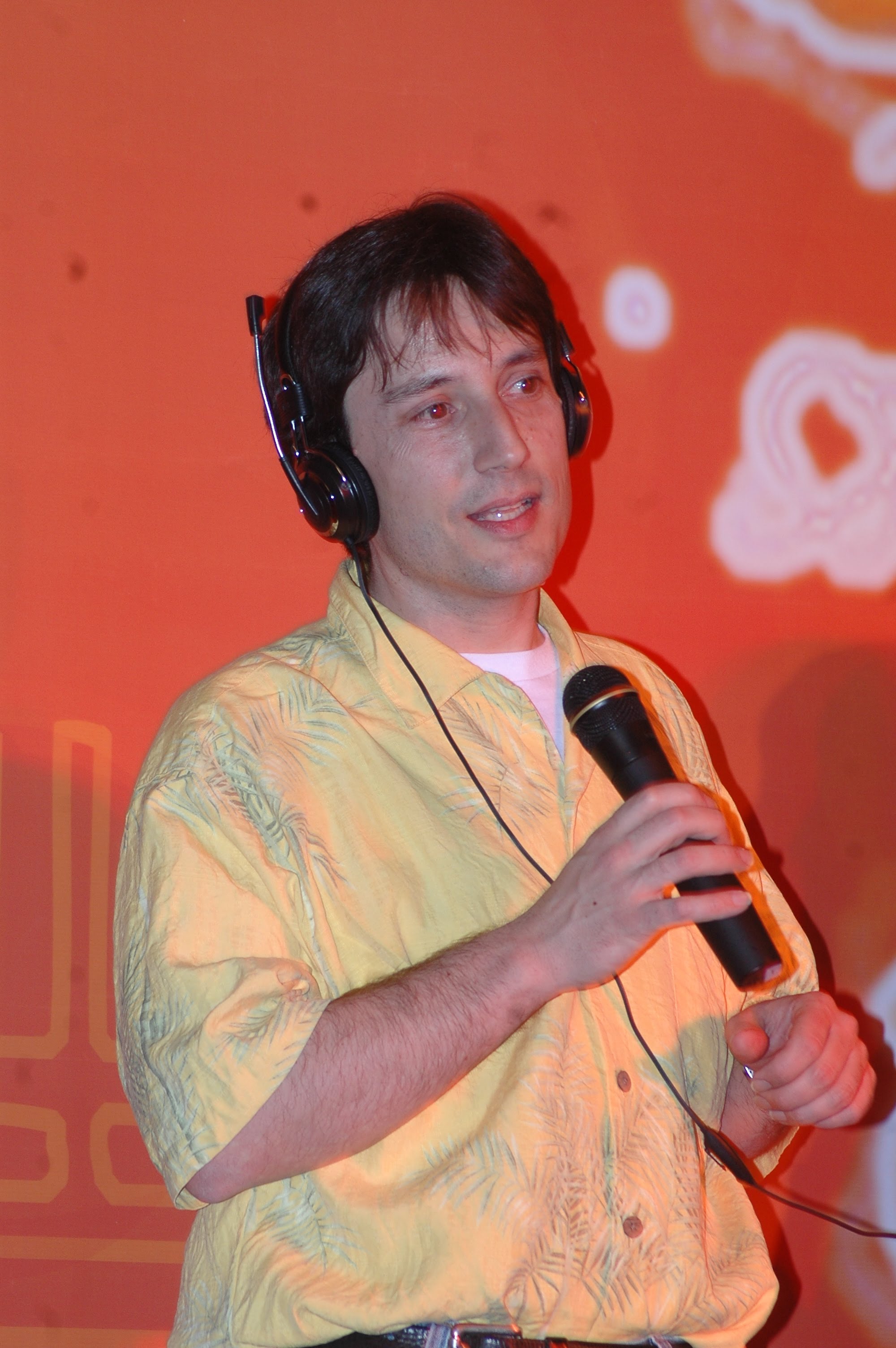
“Vince, Vince Allio, come to the stage.” I’m a month into my tenure at Microsoft China and attending an org-wide offsite in the suburbs of Beijing. Terrified of attention, I was hanging out in the back of the ballroom with a few team members. My name is called again and people turn to look for me. I stitch on a smile and make my way to the stage. I am at once hyper aware and completely dumbfounded. I’m handed a small device. What is it? Someone helps me put it on. Headphones connected to a MP3 player. A microphone is placed in my hand. Other foreigners in the org are flanking me on the stage. A song plays in my ear. I’m still dumbfounded. The foreigner next to me, Paul Nelson, starts making strange noises. He’s singing. Something incomprehensible. Then I “get it”, I’m supposed to sing the song I’m hearing in my ears. It takes me a few beats to realize the song is in Mandarin. It’s meant to be great fun.
Based in Beijing and working for a US company I often get the question “what are the cultural differences?" Hmmm. I have thoughts. But do I really know? On this site, I write about my experiences and feelings while acknowledging nostalgia influences the story. Instead of cultural differences, I’ll share a small sample of my experience and feelings as a foreigner working for Microsoft China over a 20 year span.
The 20 years itself saw tremendous changes. Changes in the organization capability. Changes in the organization composition. Changes in myself and perception of self.
In my early years at Microsoft China, I felt “special” as a foreigner and the organization made sure I was taken care of. I say, “special” and not “better” because I honestly didn’t think I was better than the local talent. It was a significant reason I transitioned from a developer role to a program management role - I didn’t think my coding skills were in demand. Beyond the story I shared, I also felt “special” by being allowed to get my own hotel room on business trips (instead of the infamous ATC shared condo), by having access to international medical care, and the shared experience of being connected to a small group of other foreigners. Incoming overseas talent was seen as critical for the org’s growth so we aggressively recruited HQ folks to join our team permanently or on rotation. When it came to project stuff, the working language was in English at least when foreigners were present. I felt no backlash at being an outsider. I felt seen if not understood.
The middle years saw rapid growth of organization in size and capability. Middle management was a mix of foreigners and returning Chinese. I felt tremendous pressure at the work itself offset by a tremendous kinship with my fellow leads and peers. I had a high level of trust in and from my directs. They gave me a channel to what was really going on with the engineering teams which kept me connected. We had lots of visitors from headquarters and for a while it was fun to show them a Beijing experience ranging from sightseeing to nightlife. It was also during this time that I realized there was a kind of a back-channel alignment among the local leads - something that I often found out after the fact. Who was the top talent? What was the ideal candidate profile like? What were the truly important projects? There were more frequent cases where a local engineer would say “lets take it offline” meaning “lets talk amongst ourselves in Chinese first”. In one PM org that I was with, 10 of the 12 leads and above were imports. The org wasn’t unusual for the time, it was one of the “pockets of foreigners”. I felt seen and sometimes understood.
In the later years, non Chinese origin foreigners joining the org reduced to a trickle. I think only one joined in the last several years of my tenure (predating Covid). Foreigners went from “special” to “endangered” and management even had us as one of the diversity/inclusion groups. This resulted in a couple lunches and a guide for the foreigners, should any new ones appear. There were still some more “pockets”, notably in Suzhou. In the org I was in, over 2000 people, there were three non Chinese origin foreigners. We no longer needed to recruit overseas talent as the industry had matured enough that we could find the talent locally. On one hand, I was proud the org had reached this stage. On the other hand, I no longer felt “special”, I often felt left out or in the way. At a regular 50 person leadership meeting I attended, the presiding director would kick off the meeting in Chinese, then say “oh, Vince is here” and switch to English. The same ritual month after month. On one hand, I appreciated the grace towards my mandarin illiteracy. On the other hand, I felt in the way. I felt sometimes seen and often misunderstood.
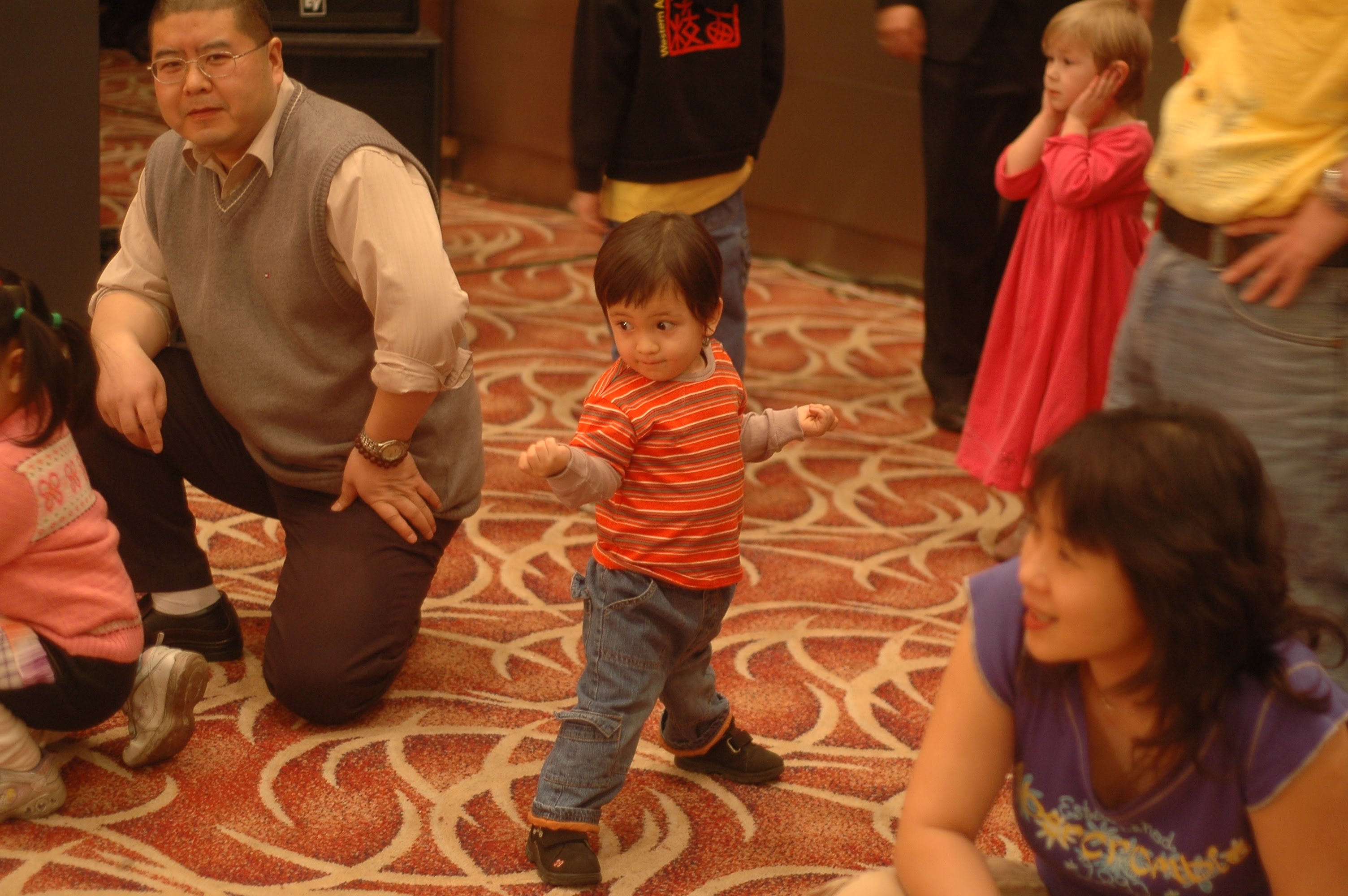
That offsite where I tried to sing a Mandarin song was in October 2005. It was a family event, meaning my wife and two small children were there. My kids garnered a lot of attention. They were damn cute. My boy would go up on the stage and dance around, amplifying his cuteness. This was appreciated until he did it during the GMs son’s martial-arts performance and I had to pull him down.
Looking back, if I could return to that stage in 2005, I’d try to sing a bit louder and let go of my pride. Not so much to assimilate but at least the audience would learn this foreigner can’t sing. Seriously, it was a journey of a life-time and I don’t regret any of the rough edges.